You know that doubt. Your shoulder is aching, your knee is protesting, but you don't want to break your training routine. Two weeks ago, we debunked the "no pain, no gain" myth – a little muscle soreness is okay, but suffering isn't a prerequisite for progress. But what if it's more than just muscle soreness? In this blog post, we'll explain when you can safely continue training with minor injuries, when rest is truly necessary, and why personal guidance makes all the difference.
The difference between muscle pain and injury
Muscle pain feels dull, is localized to the muscle itself, and is usually symmetrical—both legs after squats, for example. This pain diminishes with movement and disappears within days. An injury, on the other hand, feels sharp, often located in joints or tendons, and worsens with movement. The pain is usually asymmetric—only on the left side, not the right.
The tricky part: minor injuries often start as vague symptoms. That slight irritation in your shoulder. That stiffness in your knee in the morning. These are warning signs you need to take seriously before they develop into full-blown injuries.
When continuing training is smart
Complete rest for every ache is counterproductive. Exercise stimulates blood circulation, which is essential for recovery. The secret lies in adapting intelligently.
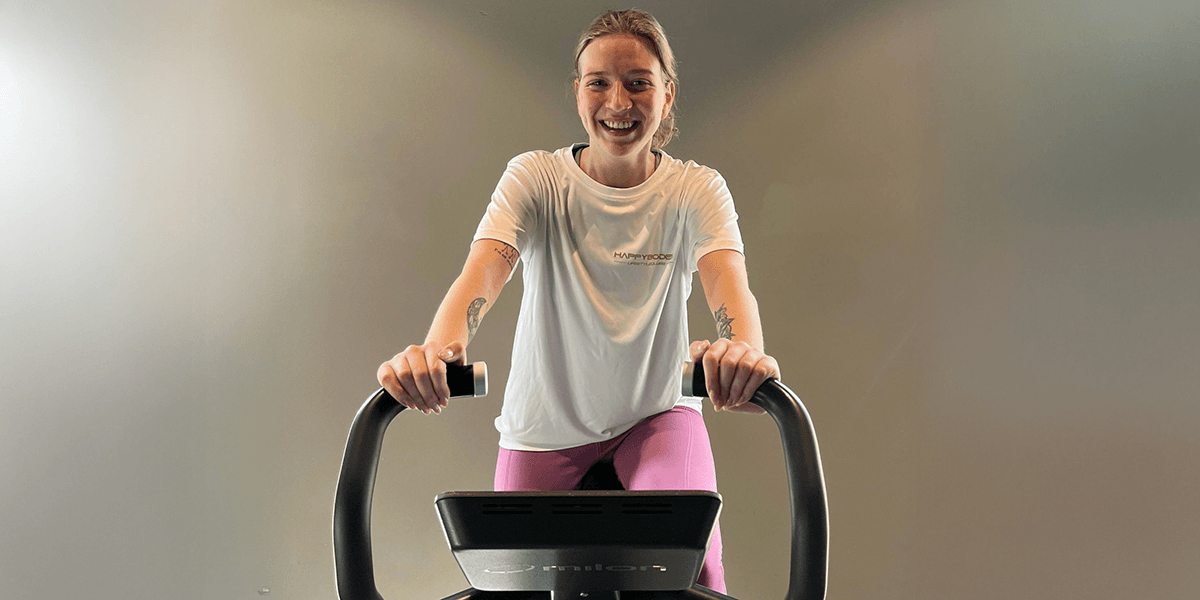
Immediately sensitive shoulder train your lower body. If you have knee problems, focus on your upper body and core. Milon Circle At Happy Bodies, the device automatically adjusts to your range of motion. For shoulder pain, the device limits movement to your pain-free zone. So you only train within safe limits.
The red flags
Some signals do not tolerate compromise:
- Acute, stabbing pain during movement
- Swelling that does not decrease after 48 hours
- Pain that disturbs your sleep
- Tingling or numbness
- Pain that lasts longer than two weeks
These symptoms require medical attention. Muddling through won't solve anything and will only make matters worse.
The power of personal guidance
A personal coach makes the difference between recovering smartly and training yourself into trouble. At Happy Bodies, your coach knows your history – what injuries you've had, where your weaknesses lie.
An experienced coach will spot any deviations in your movement pattern before you feel any pain. That slight misalignment during squats? Correct it immediately, before it leads to knee problems. Without guidance, athletes often make two mistakes: keep going when rest is needed, or stop when modified training is better.
Prevention remains the best medicine
The best injury is the one you prevent. Start with a good warm-up, end with a cool-down. Build up gradually – a maximum of 10% more per week. And most importantly: technique always trumps weight. Perfectly executed exercises with lighter weights are better than sloppy form with heavy weights.
Recover smartly
Don't see recovery as wasted time, but as an investment. Active recovery—walking or swimming—often accelerates the healing process more than complete rest. Use this time strategically: work on mobility, strengthen your core, or focus on power supply.
At Happy Bodies, we make every workout safe. Our coaches are trained in injury prevention and adapted training. They know you, your body, and your limits. Together, we ensure that minor ailments remain minor and that you stay fit, even when things aren't going your way.